
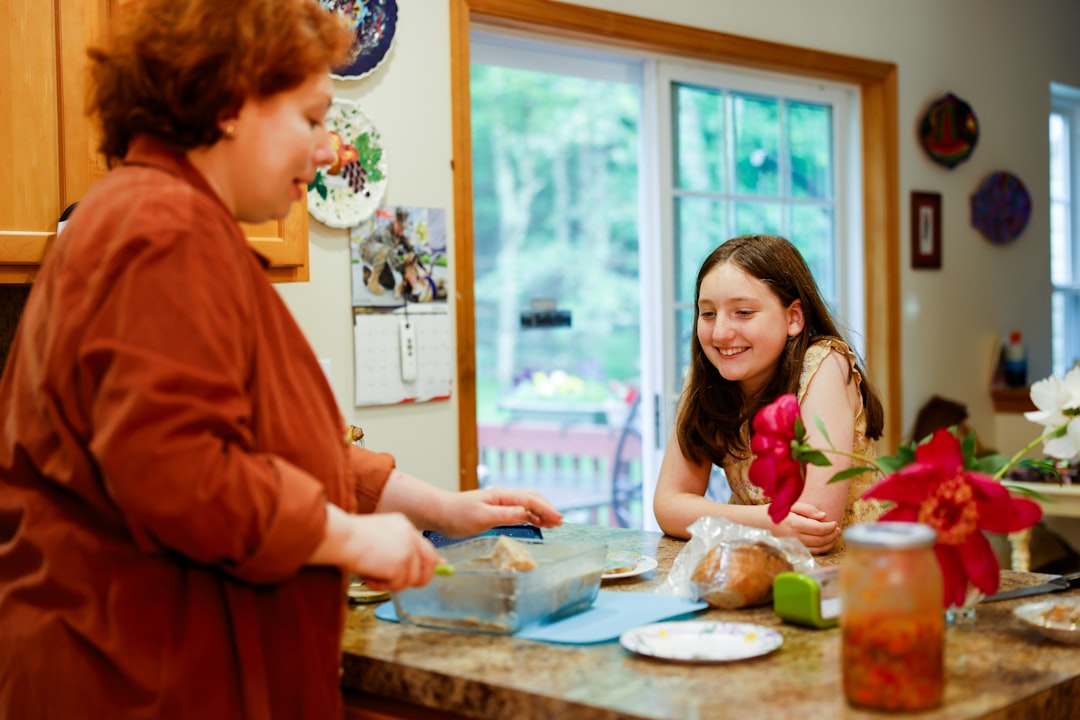
There's something magical about making pasta from scratch. The simple combination of flour and eggs transforms into silky ribbons of pasta that taste incomparably better than anything you can buy in a store. Making fresh pasta is an art form that has been passed down through Italian families for centuries, and today, I'm excited to share this traditional technique with you.
The Tradition of Fresh Pasta
In Italy, fresh pasta making is a cherished tradition. Many families still gather on Sundays to make pasta together, with techniques and recipes handed down from generation to generation. The beauty of fresh pasta lies in its simplicity - just two basic ingredients can create something extraordinary when handled with care and technique.
Unlike dried pasta, which is made with semolina flour and water, fresh pasta uses tipo 00 flour and eggs. This creates a tender, delicate texture that cooks in just minutes. Each Italian region has its own pasta shapes and traditions, from the tajarin of Piedmont to the orecchiette of Puglia.
Essential Ingredients
The key to perfect fresh pasta is using quality ingredients. You'll need:
- 400g tipo 00 flour (or all-purpose flour)
- 4 large eggs, at room temperature
- Pinch of salt
- Extra flour for dusting
The golden rule for pasta dough is one egg per 100g of flour per person. This recipe serves four people. Always use the freshest eggs you can find - they make a real difference in both color and flavor.
Making the Perfect Dough
Creating the Well
Pour your flour onto a clean work surface and create a well in the center, like a volcano. This traditional method, called "fontana," allows you to gradually incorporate the flour into the eggs. Crack the eggs into the center of the well and add a pinch of salt. Using a fork, begin beating the eggs gently, gradually incorporating small amounts of flour from the inner rim of the well.
Kneading the Dough
Once the mixture becomes too thick to mix with a fork, use your hands to bring the dough together. Knead the dough for about 10 minutes, pushing it away from you with the heel of your hand, then folding it back over itself. The dough should become smooth, elastic, and slightly tacky but not sticky. This kneading process develops the gluten, which gives the pasta its structure.
If your dough is too dry and crumbly, wet your hands slightly and continue kneading. If it's too sticky, dust with a little more flour. The texture should feel like smooth playdough. Once you've achieved the right consistency, wrap the dough in plastic wrap and let it rest at room temperature for at least 30 minutes. This resting period allows the gluten to relax, making the dough easier to roll.
Rolling and Shaping
Rolling by Hand
If rolling by hand, divide your dough into four pieces and work with one piece at a time, keeping the others covered. On a lightly floured surface, use a rolling pin to roll the dough from the center outward, rotating it regularly to maintain an even thickness. Roll until the dough is thin enough that you can see your hand through it when held up to the light.
Using a Pasta Machine
For those using a pasta machine, start with the widest setting. Flatten your dough piece into a rough rectangle and pass it through the machine. Fold the dough in thirds like a letter, then pass it through again. Repeat this process 2-3 times on the widest setting - this additional kneading makes the pasta even silkier. Then gradually work through increasingly narrow settings until you reach your desired thickness.
Cutting and Shaping
Once rolled, you can cut your pasta into various shapes. For fettuccine, fold the pasta sheet loosely and cut into ribbons about 1cm wide. For pappardelle, cut wider ribbons of about 2cm. Immediately toss the cut pasta with a little flour to prevent sticking and arrange in loose nests on a floured tray.
If making filled pasta like ravioli or tortellini, work quickly while the pasta is still pliable. Place small amounts of filling on the pasta sheet, brush around each mound with water, then seal carefully, pressing out any air bubbles.
Cooking Fresh Pasta
Fresh pasta cooks much faster than dried - usually just 2-4 minutes in boiling salted water. The pasta is ready when it floats to the surface and has a tender but still slightly firm texture. Always taste to check doneness. Save a cup of pasta cooking water before draining - this starchy water is perfect for adjusting sauce consistency.
Pro Tips for Success
Temperature matters. Cold eggs are harder to incorporate, so always use room temperature eggs. The humidity in your kitchen can affect your dough - on humid days you might need less egg or more flour. Trust your hands and adjust as needed. Don't rush the resting time - this is crucial for easy rolling and tender pasta.
If you're not cooking your pasta immediately, fresh pasta can be dried by hanging it over a pasta rack or the back of a chair for about 30 minutes, then stored in an airtight container for up to 2 days. You can also freeze fresh pasta nests on a tray, then transfer to freezer bags once frozen solid.
Making fresh pasta from scratch is a skill that improves with practice. Your first batch might not be perfect, but even imperfect homemade pasta tastes better than store-bought. With each attempt, you'll develop a feel for the dough and find your rhythm. Soon, you'll be making fresh pasta as effortlessly as generations of Italian cooks before you.